• Same-day service available
  • Gas Safe registered
  • Boiler pressure loss experts
  • Half hour rates from £49.50 + VAT

Book online for £10 off

or call for help, advice, or to book

A sealed central heating system should generally maintain pressure for several years.

Boiler pressure might need to be topped up once a year. Any more than this, and it’s a sign of a problem.

Our team of experts are ready to fix your boiler pressure issues.

Frequently asked questions

Why does my boiler keep losing pressure?

A boiler or central heating system loses pressure as water escapes. This could be due to either a leak in the system or a fault in a boiler component.

Normally, a central heating system is sealed, but built-in safety mechanisms are designed to expel water if the pressure exceeds a safe level.

What is the ideal pressure for a central heating system?

The pressure will change depending on whether the heating system is cold or hot. Aim for a pressure of 1.2 bar when the system is cold.

Cold = 1.0 to 1.5 bar

Heating = 1.5 to 2.0 bar

High but still safe = 2.5 bar

At 3.0 bar, the pressure relief valve should open, allowing water to be expelled via the overflow pipe and the pressure to drop.


Why is the pressure dropping every day?

The speed at which the pressure drops is usually a good indication of the severity of the problem. If a boiler is losing up to 0.5 bar of pressure a day, it indicates a significant amount of water is escaping the system over a relatively short period.

What are the possible causes of recurring pressure loss?

Leaks in exposed or concealed parts of a heating system are common causes of recurring pressure loss. Pinhole leaks in radiator panels, leaking radiator valves, and pipework leaks are all possible causes.

Faults in mechanical parts of a boiler are also possible causes:

  1. A damaged expansion vessel could mean water is being expelled by the pressure relief valve.
  2. A pressure relief valve that does not close fully could allow water to drip continuously from the overflow pipe.
  3. A damaged heat exchanger could allow water to escape or be heated and evaporate.
  4. An automatic air vent (AAV) that allows water to escape, not just air.

Why is boiler pressure dropping when there is no leak?

Damage to the mechanical parts of a boiler can cause a boiler to lose pressure. Water could be expelled from the system via the external overflow pipe rather than internally. Damage to the primary heat exchanger plate could mean water is being heated inside the combustion chamber and evaporating.

It is worth noting that just because there are no visible signs of a water leak does not mean there isn’t one. Leaks can occur in pipes concealed beneath floors. These can be located, exposed and repaired using specialist trace and access methods.


Boiler pressure loss

How to repressurise a central heating system

A central heating system is repressurised by adding water through the filling loop.

Having to repressurise by adding water repeatedly is a sign of a problem.

Adding water without the correct inhibitor dose will increase the rate of internal corrosion.

Our pressure loss investigation process

If a boiler is continually losing pressure, a leak isn’t assumed automatically. Our Gas Safe-registered experts can resolve all boiler pressure loss problems. They investigate boiler pressure loss problems in the following order:

1. Boiler fault checks

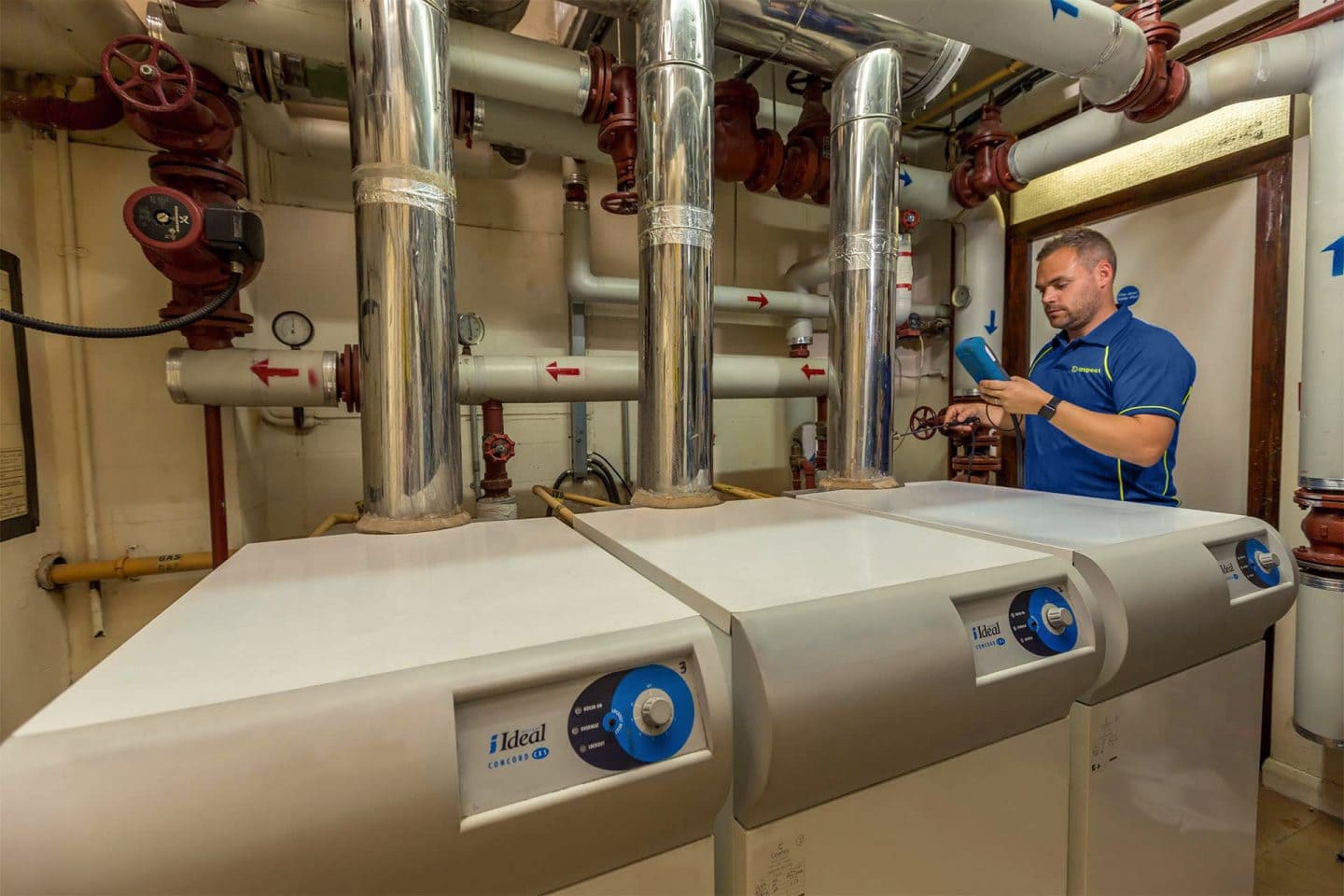
Our Gas Safe-registered experts will first inspect the boiler for faults that could result in a loss of pressure, such as a damaged expansion vessel or pressure relief valve.

2. Radiator checks

Checks are performed on the exposed parts of the system. Water may be escaping from pinhole leaks in radiator panels, corroded pipes or damaged valves and seals.

3. Concealed leak detection

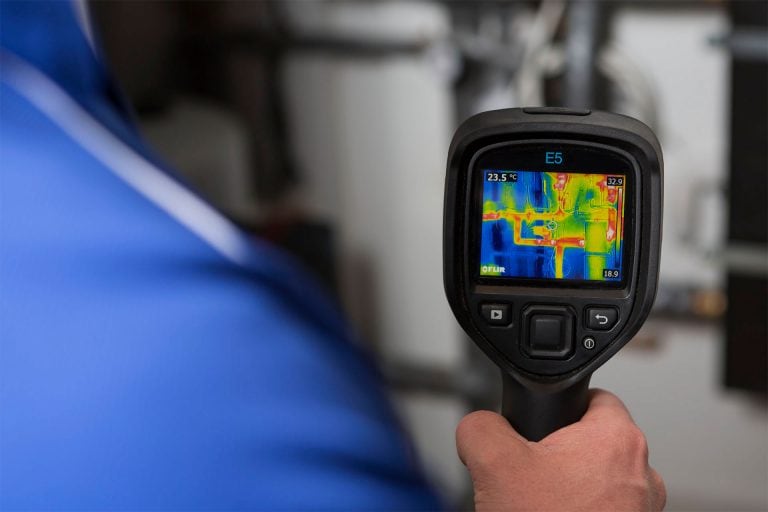
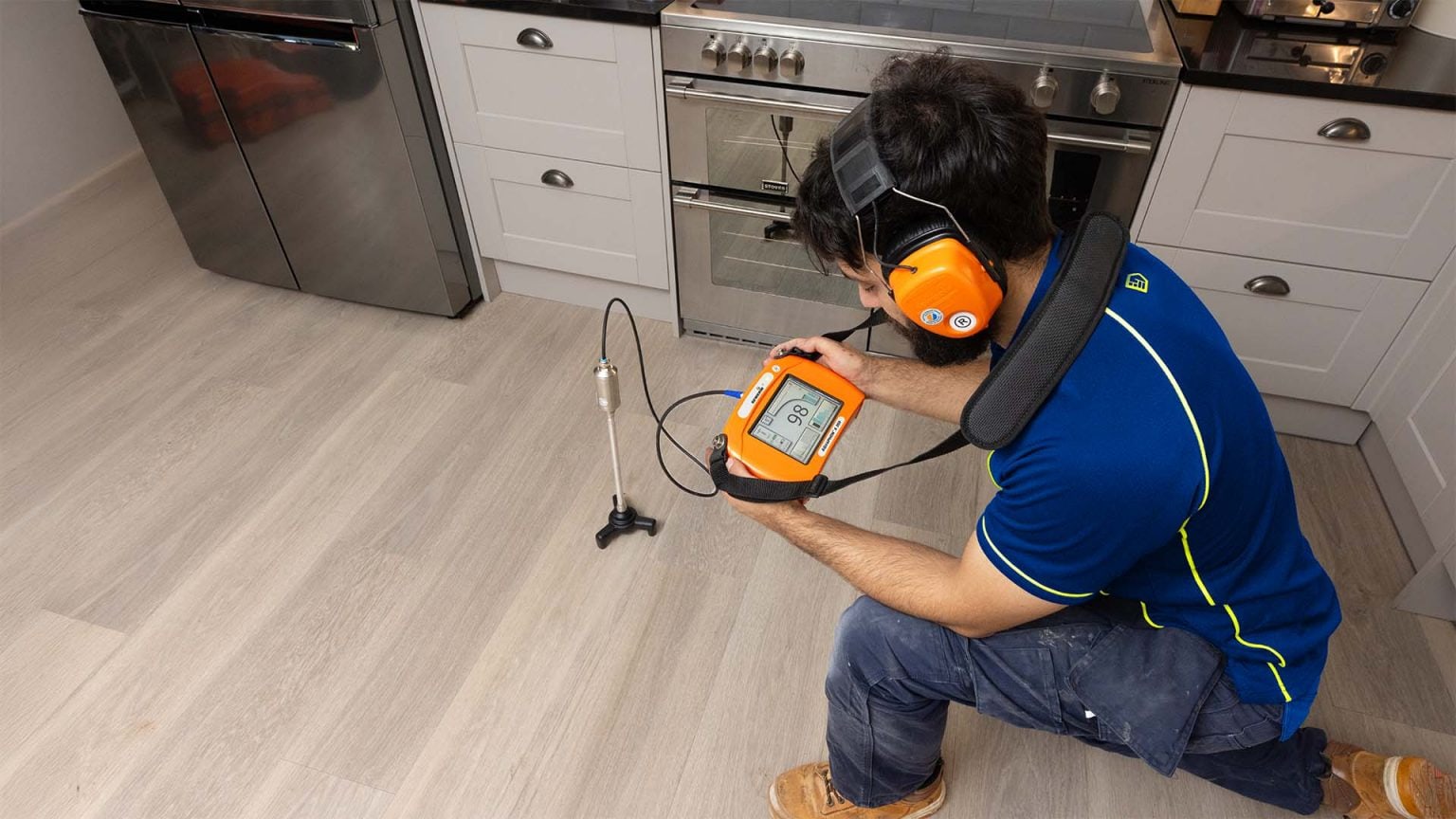
If visual checks fail to reveal a leak, a “trace and access” investigation using reliable, non-invasive methods, is conducted to locate leaks on concealed parts of the system.

Boiler repairs for all makes and models

We can repair every make and model of gas boiler. Our experts carry a stock of common replacement parts in their vans. When specific parts are needed, we have a huge network of trade suppliers to call on to source them quickly.

We install hundreds of new boilers every year, and are approved installers for the following brands. If replacing a broken boiler is more economical than repairs due to its age or condition, we can recommend a model for any property or budget. Our customers can also benefit from extended warranties when we fit these makes.

Leaks in Central Heating Systems

How we investigate concealed leaks that cause pressure loss

This video demonstrates how non-invasive methods are used to detect a hidden leak in a central heating system, following checks for boiler faults.

Several techniques are usually used during a thorough investigation.

Once found, our experts can access the leaks for repairs.

Your peace of mind is built into every attendance

Trade-accredited

We are approved by WaterSafe® and registered with Gas Safe, NAPIT, and the Building Engineering Services Association.

Qualified tradespeople

Our Gas Safe-registered engineers have years of experience. We vet them when they join and continually train and assess them.

Fully insured

We are fully insured to work in residential and commercial properties. We have extensive employers', product, and public liability insurance cover.

Workmanship guarantee

The Aspect Guarantee covers our tradespeople's workmanship for up to 12 months. If their work is at fault, we will fix it free of charge.

Boiler pressure loss pricing

Half-Hourly Rates

Our boiler pressure loss investigation and repairs are charged in half-hour increments (1-hour minimum).

Boiler tests and checks for leaks on exposed parts of a central heating system are charged at our Heating & Hot Water rates:
From £49.50 + VAT weekdays
From £65.25 + VAT evenings & weekends
From £85.50 + VAT late nights (9pm-7am)

Our Leak Detection rates will apply for trace and access investigation time needed to find a leak on the concealed parts of the system:
From £54.00 + VAT weekdays
From £69.75 + VAT evenings & weekends
From £90.00 + VAT late nights (9pm-7am)

Use our postcode checker to get our best rates for your area.

If needed, a tracer gas charge will be added to the leak detection time.

There is no additional charge for emergency attendance when we aim to be on-site within one hour.

Fixed Price Reinstatement

Reinstatement work, which is needed to return walls, floors, or ceilings to their original condition, can be estimated at a fixed price.
Commercial gas supplies

We have Gas Safe-registered experts who can work on domestic and non-domestic gas supplies.

Our account team is ready to help customers across a wide range of commercial sectors, including: Food & Beverage, Hotels, Education, Healthcare, Property Management, Offices, Religious Buildings, Retail, Leisure & Entertainment, Sport & Fitness, Foreign Government, and more.

Related trade services

Insurance claim advice

If you suspect a leak in your central heating or plumbing system, you shouldn’t ignore it. Fixing the problem can usually be covered on an insurance policy.

Water escaping inside a property could be causing bigger problems than any visible signs might suggest. Similarly, continually topping up a central heating system with water to repressurise it is not fixing the cause of the problem.

Water damage can eventually compromise the structural integrity of a property if left unresolved. Failing to act quickly might mean your insurance company rejects your claim.

You can find out more about making a successful insurance claim in our guide.